


THE TRAP
Top-Down Allocation (ISO 14064-1)
Annual organizational accounting manually split across orders. Delayed, inaccurate, and fails to capture real reduction efforts like dynamic routing.
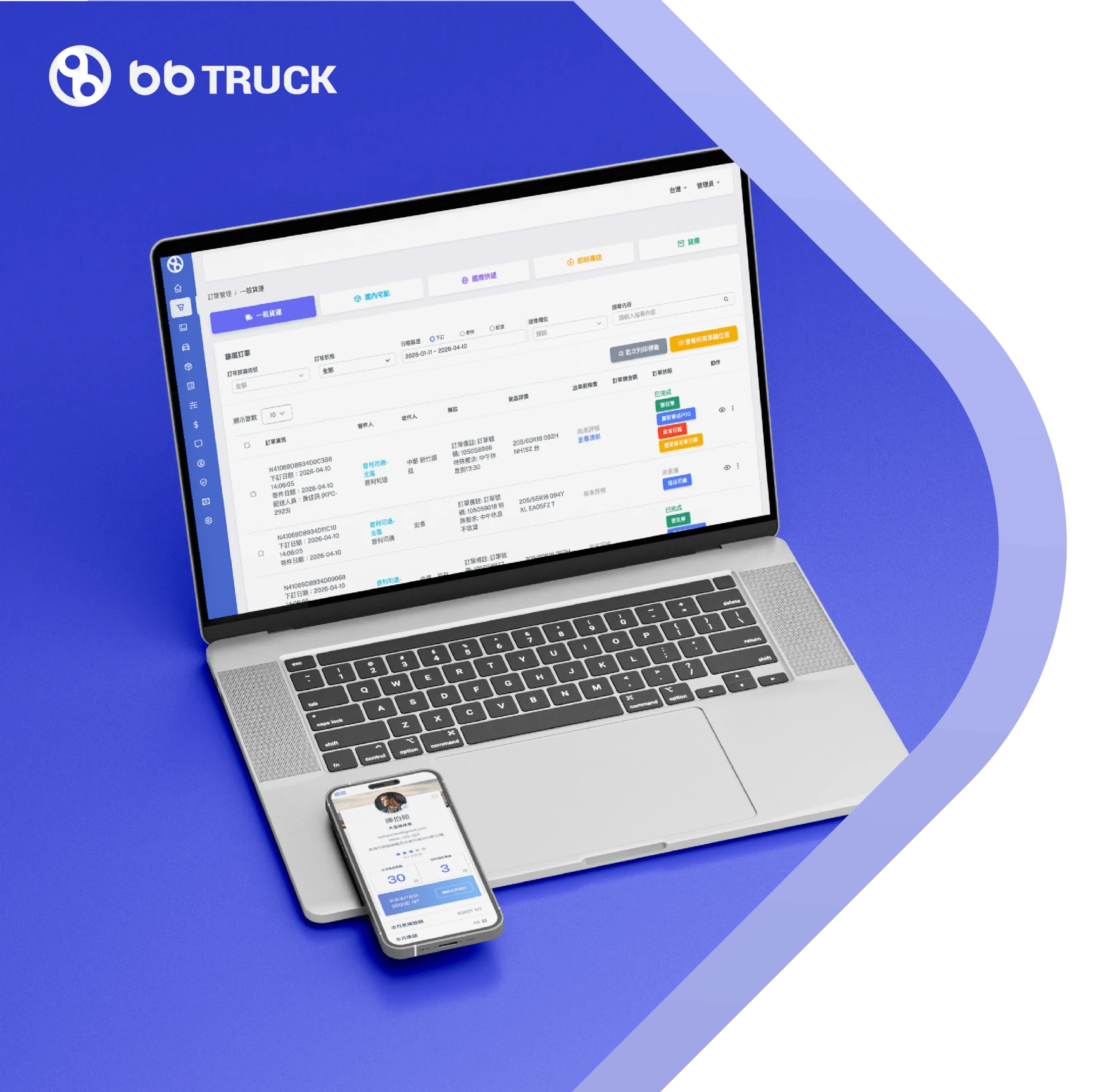
Turn order and transport records into data for emissions estimates and Scope 3 reporting.
The Scope 3 Bottleneck: Top-Down Allocation vs. Order-Level Reality
THE TRAP
Annual organizational accounting manually split across orders. Delayed, inaccurate, and fails to capture real reduction efforts like dynamic routing.
DATA ORGANIZATION: VERATRACE
Organizes available shipment, route, weight, and transport records to support order-level emissions estimates and Scope 3 data preparation. Data completeness and method applicability must be confirmed for each project.
Organizes available order, route, weight, and transport records as inputs for shipment-level estimates.
Prepare relevant data for transport-chain quantification under ISO 14083 or product carbon footprint work under ISO 14067.
Estimates use available route, cargo-weight, and transport-event data; gaps need to be addressed or reviewed.
Assess ERP/WMS API connection options, fields, and data exchange scope during implementation planning.
METHODS AND DATA SCOPE
Actual data sources and verification scope are confirmed for each implementation.

The illustration includes historical transport-service verification for BB TRUCK INC., covering 2023-05-01 to 2024-04-30. Current project periods, scope and evidence must be confirmed separately.
Method references: ISO 14083:2023 · ISO 14067:2018
VeraTrace is bbTRUCK’s freight carbon data service. It organizes shipment and transport activity data to support order-level emissions estimates and Scope 3 data preparation. Features, fields, and outputs are confirmed for each implementation.
Inputs may include shipment records, cargo weight, vehicle or factor settings, route distance, and transport events. Complete GPS traces may be used where applicable. Sources depend on the shipment, system configuration, and data available.
An estimate may be unavailable or may require an agreed alternative source when required weight, distance, or route data is missing. Missing values should not be treated as measured results. Data-gap labels, follow-up, and handling are confirmed during implementation.
ISO 14083 addresses quantification and reporting of greenhouse gas emissions from transport chains; ISO 14067 addresses the carbon footprint of products. Their purposes and boundaries differ, so the method should match the reporting purpose. Using a framework does not mean a report is certified or verified.
Implementation planning can map ERP/WMS order fields, data sources, exchange methods, and update frequency before confirming API or other integration scope. Available endpoints, fields, and timing depend on both systems and project requirements.
Transport estimates depend on shipment, route, weight, vehicle, factor, and method data. Whether platforms, data transfer, or other emissions are included must be confirmed separately. Results can support audit preparation, but boundaries, evidence, and any third-party verification require project-specific confirmation. This page is not a legal compliance guarantee.


